
Accountability
When you donate to the Humanitarian Coalition, you can be confident your money is used wisely to help survivors of international humanitarian emergencies. We follow the core humanitarian principles of humanity, impartiality, neutrality, and independence, and we always base funding on need.
Accreditations
The Better Business Bureau recognizes the Humanitarian Coalition as a BBB Accredited Charity. To achieve this accreditation, organizations must meet 20 BBB Standards for Charity Accountability across four key areas: governance, results reporting, financial management and truthful, transparent communications.
The Humanitarian Coalition also earned Imagine Canada Accreditation after a thorough independent review of our operations and governance. Imagine Canada sets the most widely recognized nonprofit standards in the country, confirming we meet the highest standards for board governance, financial transparency, fundraising, staff management and volunteer involvement.
Charity Intelligence Canada gave the Humanitarian Coalition a five-star rating and an A+ for results reporting, which is above average. We are also listed as a Charity Intelligence 2025 Top 100 Rated Charity.
Proven partnerships
Our member organizations are trusted partners of Global Affairs Canada (GAC) with a strong record of effective, timely emergency response. During major emergencies, the Government of Canada may provide a dedicated matching fund to Humanitarian Coalition members. We also receive significant support from major media outlets and networks across Canada in reaching Canadians during humanitarian crises.
Financial transparency
We maintain a strong public record of accountability and transparency in managing humanitarian program funding. We have led large-scale appeals for more than thirty major emergencies and have managed the Canadian Humanitarian Assistance Fund (CHAF) for more than a decade.
By uniting leading humanitarian organizations to reduce costs and streamline efforts, we typically allocate 85 to 90 percent of our appeal funding directly to humanitarian programs. Our financial statements are available here.
Mutual trust
The Humanitarian Coalition team supports effective decision-making by maintaining strong relationships with member organizations through monthly meetings.
Established operating procedures
Unparalleled in Canada, the Humanitarian Coalition has negotiated and documented agreements among its members, enabling rapid decision-making and coordination to improve the quality and quantity of humanitarian responses.
We have established standard operating procedures that support rapid information sharing, coordination, timely decision-making, public engagement, emergency response, monitoring, evaluation, and accountability among member agencies. These include comprehensive Program Guidelines and a Collective Monitoring, Evaluation, Accountability and Learning (MEAL) Framework.
Humanitarian program quality standards
Our members remain committed to the highest program standard. Membership requires adherence to the Core Humanitarian Standard and the Code of Conduct for the International Red Cross and Red Crescent Movement and Non-Governmental Organizations in Disaster Relief.
Members must also maintain active membership in Canada’s Humanitarian Response Network and demonstrate broad emergency response capacity and significant international presence. They are also committed, both individually and collectively, to developing and implementing strong safeguarding practices to ensure protection from sexual exploitation and abuse.
Strong commitment to localization
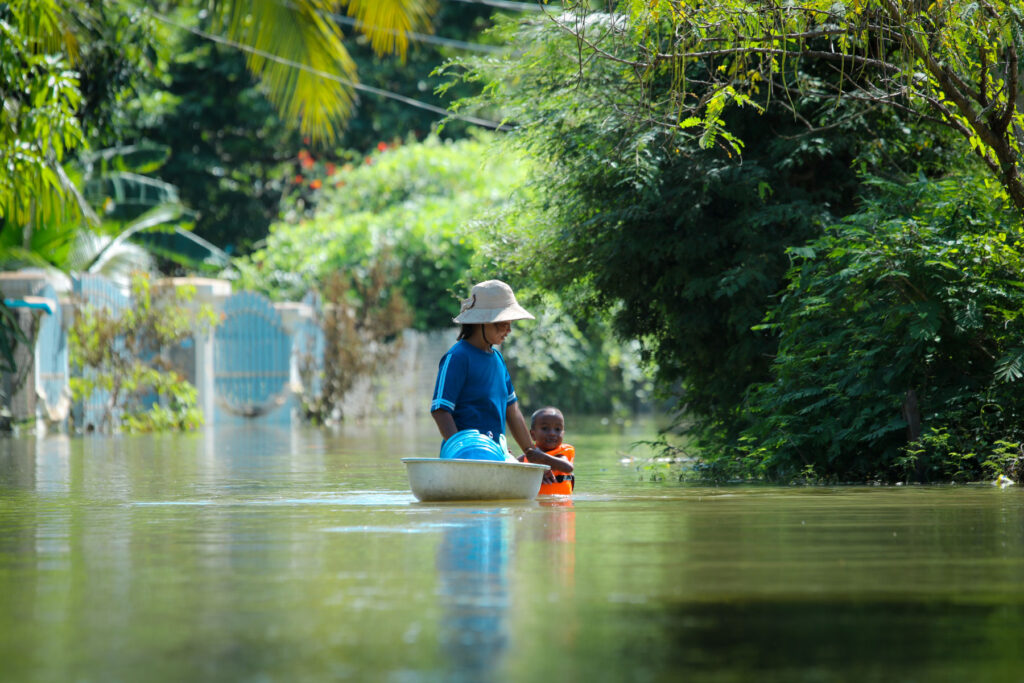
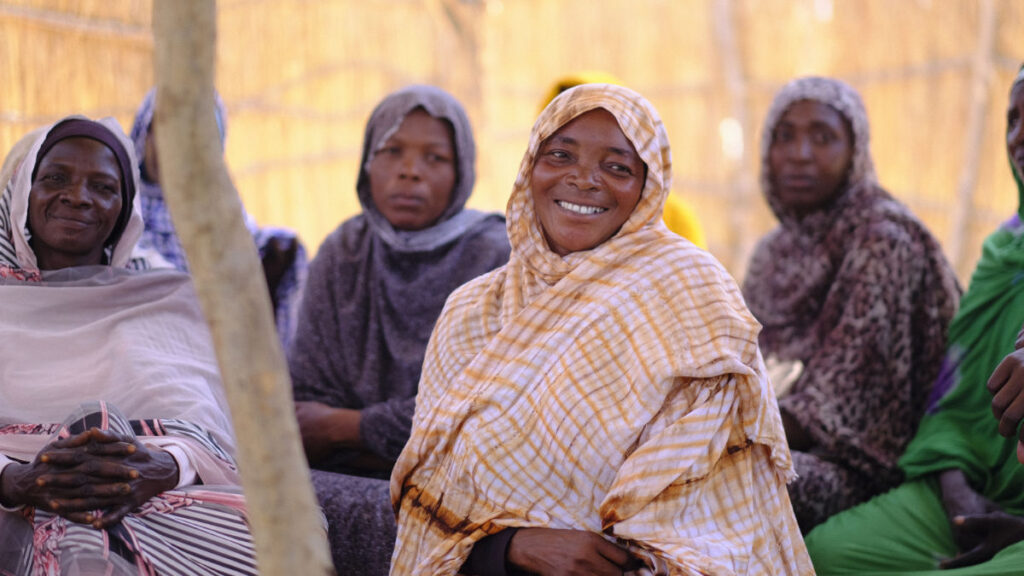
We follow Canada’s international commitments by supporting partnership models that help build skills, encourage local ownership of projects, and empower communities affected by disasters. Right now, at least half of Humanitarian Coalition-supported projects are carried out with local partners or by them.
Our members operate through their country offices and rely on partnerships with local civil society organizations. The Canadian branch offers management support and oversight, while the country branch leads the response directly or works with other local partners.