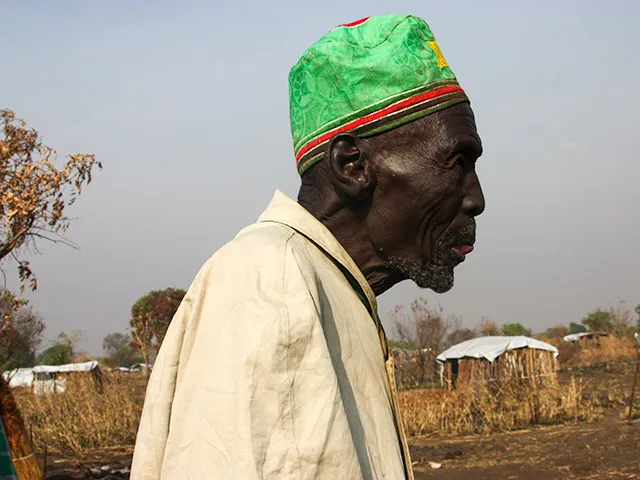
The Humanitarian Coalition members are taking care of basic survival needs and helping people rebuild their lives when their homes, schools and livelihoods have been devastated by a disaster. Learn more about these crises and meet people who have benefited from your support.
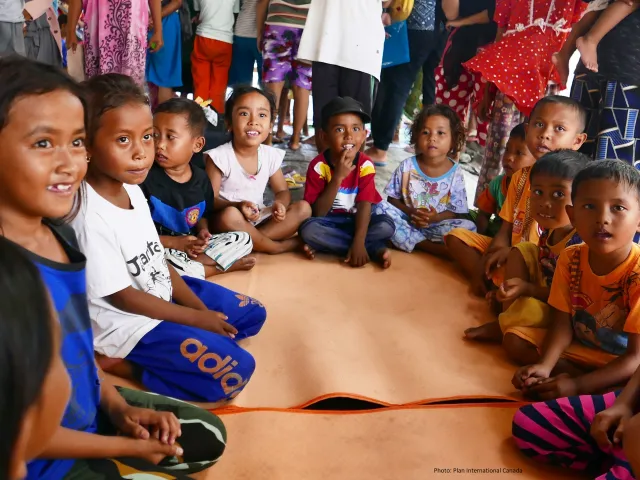
After the earthquake disaster in Indonesia, as in many humanitarian crisis situations, the Humanitarian Coalition supported the operation of Child-friendly spaces (CFS) to respond to some of the special needs of children.
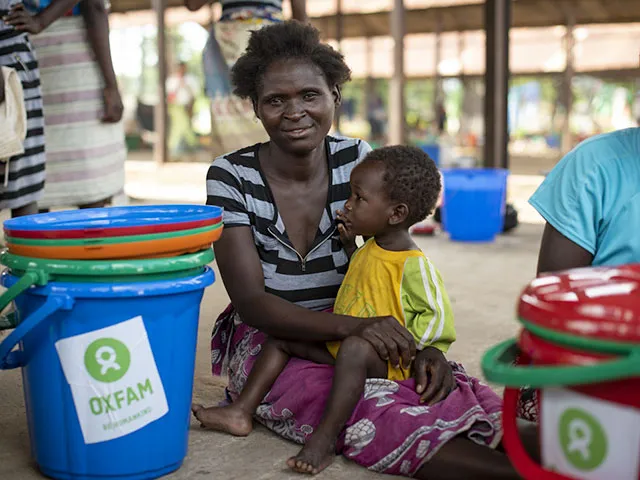
Some 4,000 people who fled the flooding from Cyclone Idai in Malawi and Mozambique found refuge in Bangula Camp, Malawi. To enable access to drinking water and better hygiene, Oxfam-Québec supported the distribution of buckets and soap to the camp residents.
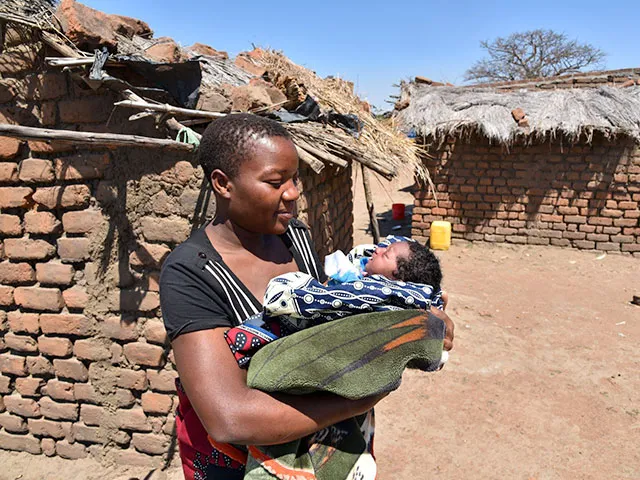
Just a little over two weeks ago, Mwadaine Nasiyaya gave birth to a healthy baby girl, who she named Tamandani. Things could have been very different.
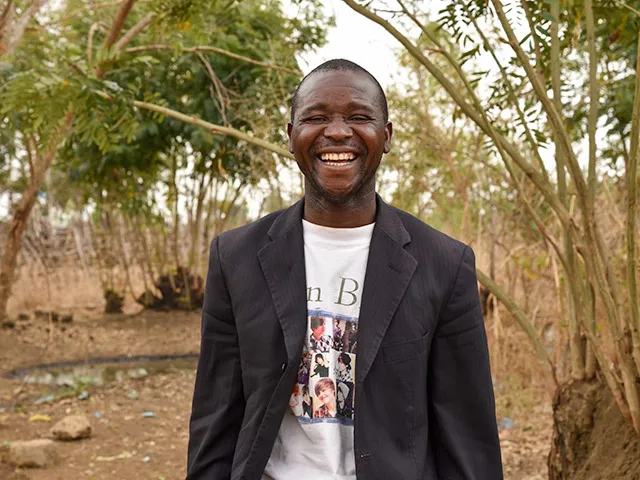
When the rains and flooding from Cyclone Idai came through the Mulanje District in Malawi, one side of their house started getting wet so Kalisto Rular and his wife moved their eight children to the other side of the house.
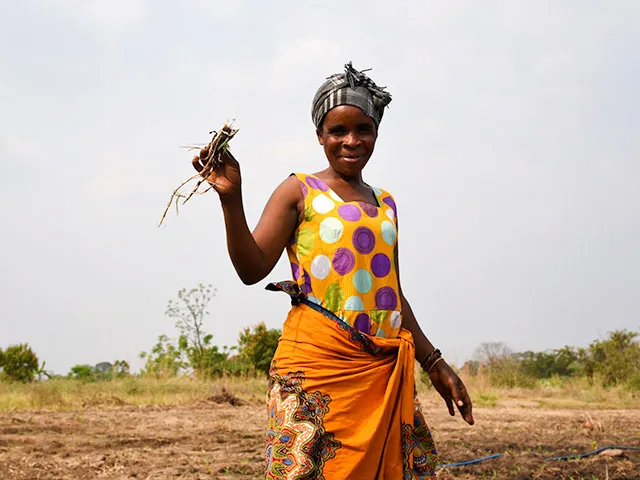
In response, the Humanitarian Coalition, through Canadian Foodgrains Bank member Presbyterian World Service and Development, is providing food baskets to vulnerable families, and seeds to farmers so they can eventually feed their families and restore their livelihoods.

How did a kid from White Rock, British Columbia end up working with South Sudanese and Congolese refugees in Uganda? And how does Humanity & Inclusion (HI), the organization that Ryan Duly works for, support the needs of the most vulnerable among these displaced populations?
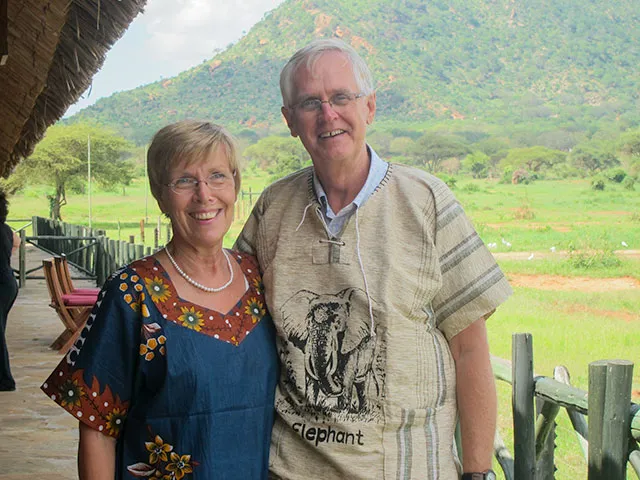
They had been thinking about doing humanitarian work for a long time. In fact, before their careers in management and nursing (respectively), even before their wedding “a long time ago,” Harry and Annie Bergshoeff of Mississauga knew that someday, somehow, they would be giving back.
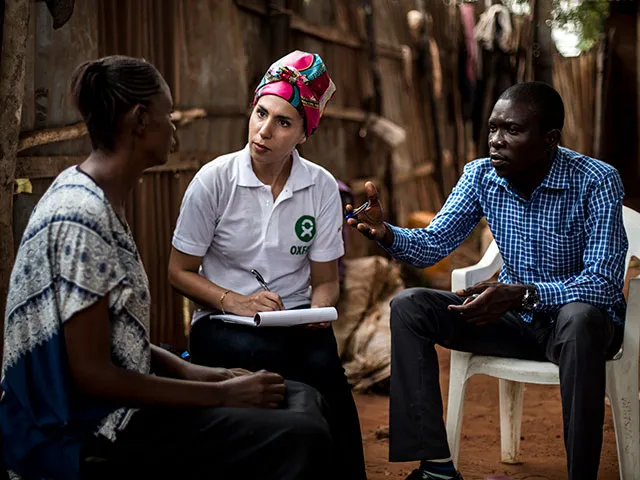
After starting her professional life in project management in the cultural sector in Montreal, Bouabid left in July 2017 for a mission in the Democratic Republic of Congo as a communications advisor with Oxfam-Québec.
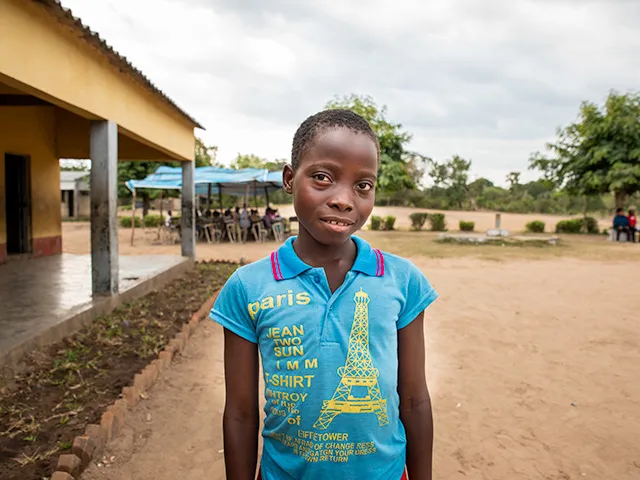
"First, there were strong winds and a lot of rain, and then the floods came. I was so scared. The water came so fast,” Lusiana, 12, says as she recounts the night Cyclone Idai touched down in Mozambique and destroyed her home.
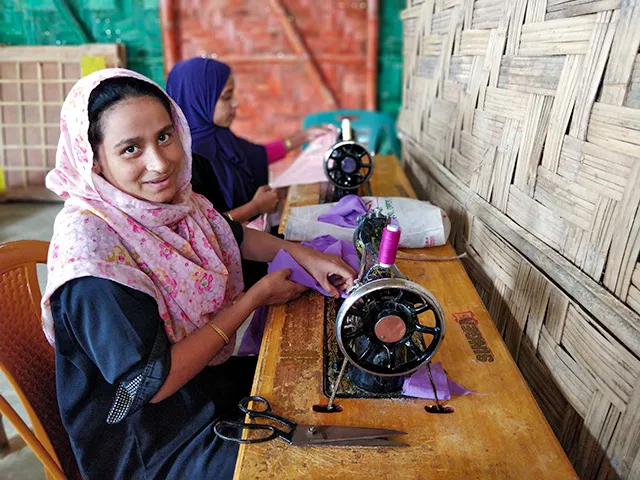
Upon her arrival, Noor searched the refugee camps for her husband, but she could not find him. She says she was very afraid to live alone without him, and feared for the safety of her daughters. As the days went on, she became frustrated as she tried to work out how she would support her family without him.
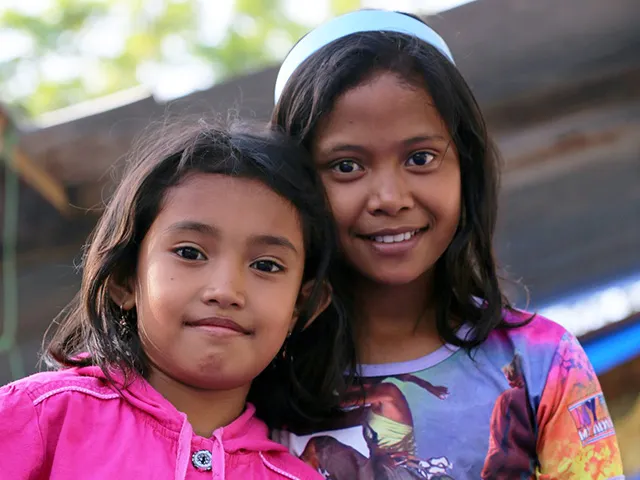
Selsi lost her best friend when the powerful earthquake and tsunami struck Central Sulawesi in Indonesia. “Wulan was praying near me. I didn’t have time to grab her hand. She was inside the Musholla (prayer room) and I saw the roof collapse. I could run and save my own life, but not Wulan,” says Selsi, unable to hide the sadness in her eyes.