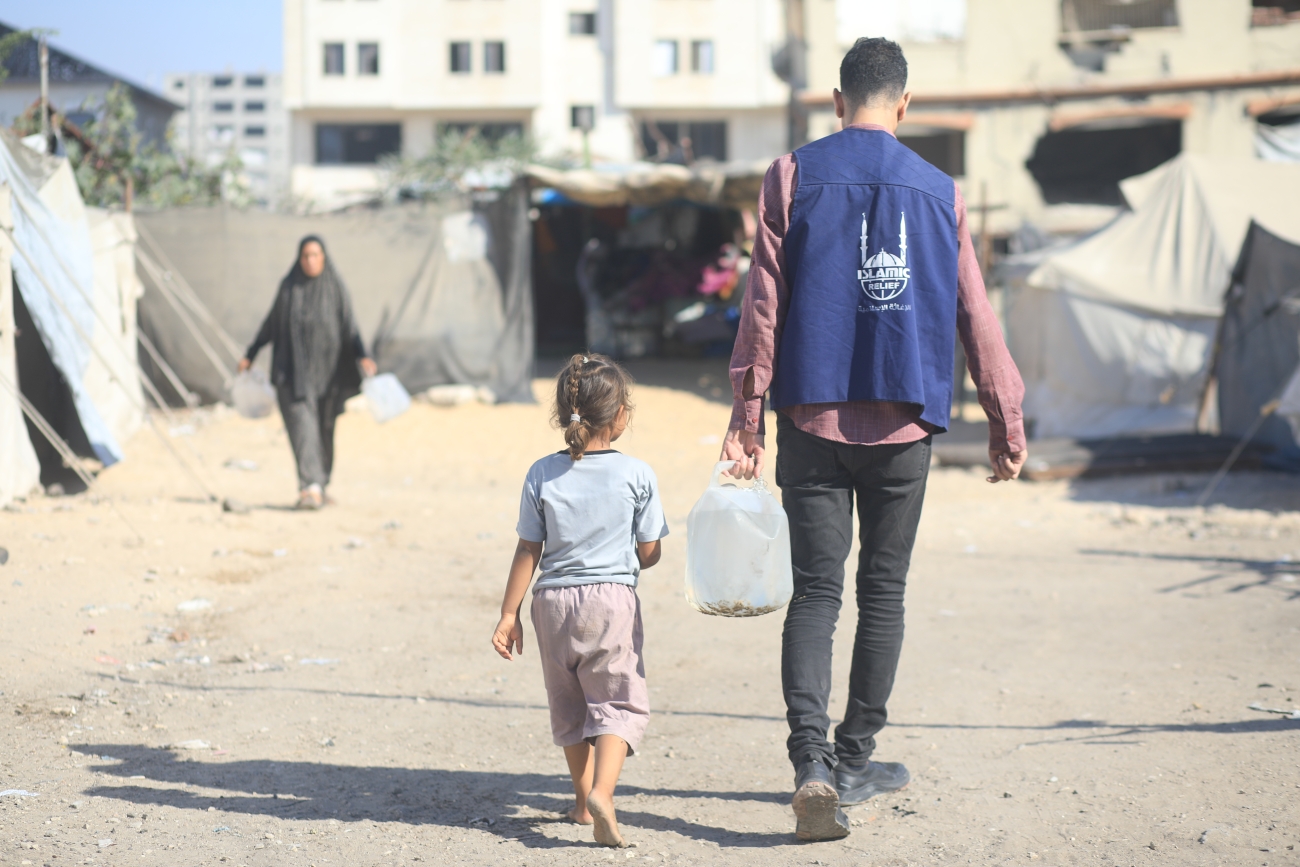
If you were forced to leave your home in the next five minutes, what would you take with you? Where would you go? And who would help you on your way?
Right now, millions of families are grappling with those questions. And when someone doesn't know where they're going to sleep, what they'll have to eat that day, or how they'll keep their children safe, every hour matters.
Conflict, natural disasters, climate change, and political and economic instability have forcibly displaced more than 117 million people — roughly 1 in every 70 people on Earth. That's more people who have been forced to flee their homes than at any other time in modern history.
When you wake up to an earthquake shaking your home apart or a bomb going off in your neighbourhood, you don't have time to pack the essentials. That's where the Humanitarian Coalition comes in: with your help, we can support people who've had to leave their homes with just the clothes on their backs.
How Your Support Helps
In 160 countries, the Humanitarian Coalition’s members are providing life-saving food, clean water, safe shelter, and healthcare for children and families — many of whom have been forcibly displaced from their homes. Your donation helps deliver urgent assistance to families who had to leave everything behind just to survive.
- Emergency food and clean water for families in crisis
- Safe shelter and essential supplies for people forced to flee
- Access to urgent medical care and protection services
- Support that helps children and caregivers stay safe during displacement
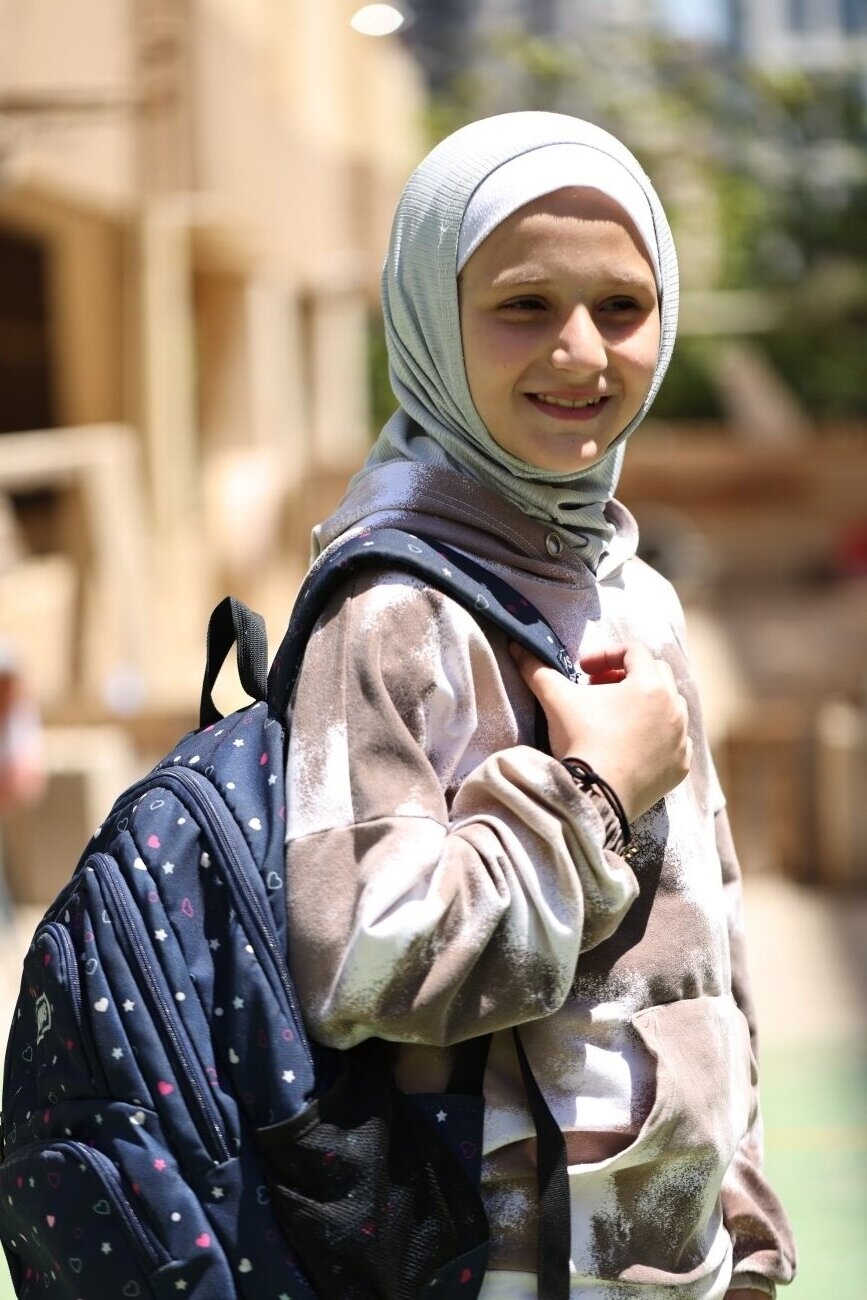
Give now to ensure humanitarian aid is delivered as soon as possible.
Together, we save more lives.
What does "forcibly displaced person" mean?
Anyone who had to leave their home because it was no longer safe is known as a forcibly displaced person. They may be forced to move because of conflict, violence, persecution or disasters. They may stay in the same country, or even the same town, or they may cross a border to seek safety. Some displaced people are able to return home in a few days or weeks, while others will be displaced for years or for the rest of their lives.
There are lots of misconceptions and stigmas surrounding forcible displacement. Let’s clear up a few of them:
- Most forcibly displaced people aren’t refugees. More than two-thirds are internally displaced people who stay in their home country.
- Not all displaced people live in displacement camps. People who have to flee often stay with friends or relatives, rent their own housing, or find informal shelter like an empty building or a makeshift tent.
- Most refugees don’t live in wealthy countries. Low- and middle-income countries host 71 percent of refugees.
To learn about the different ways that people are forcibly displaced, including as refugees, internally displaced people and asylum seekers, read our blog post here.
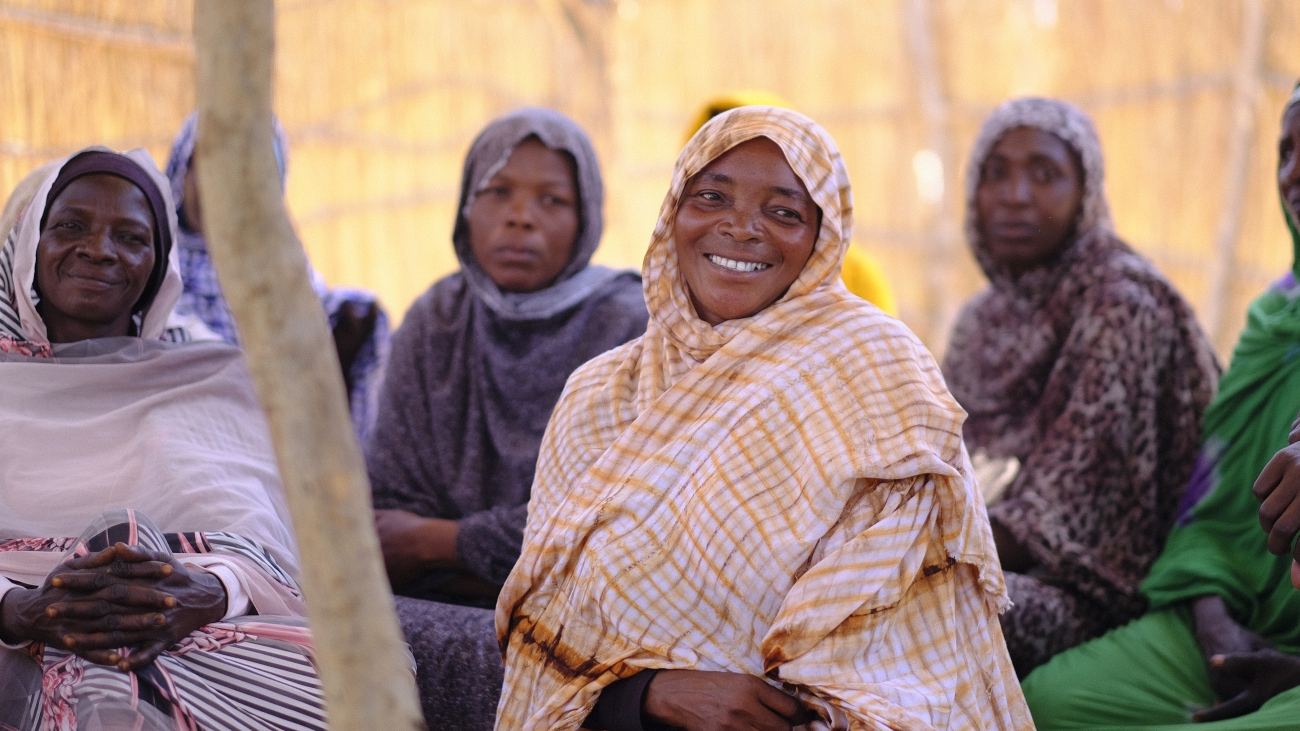
Why are people forced to flee?
There are many reasons why people may be forced to leave their homes. Conflict, natural disasters and climate-related events can make someone’s home unsafe. Persecution and human rights violations can also force someone to flee. In many cases, several of these causes happen at once and make it even more difficult for families to return home.
Last year, more people were internally displaced by conflict and violence than by disasters for the first time ever. Displacements triggered by conflict and violence rose to 32 million, nearly a 60 percent increase compared to the previous year.
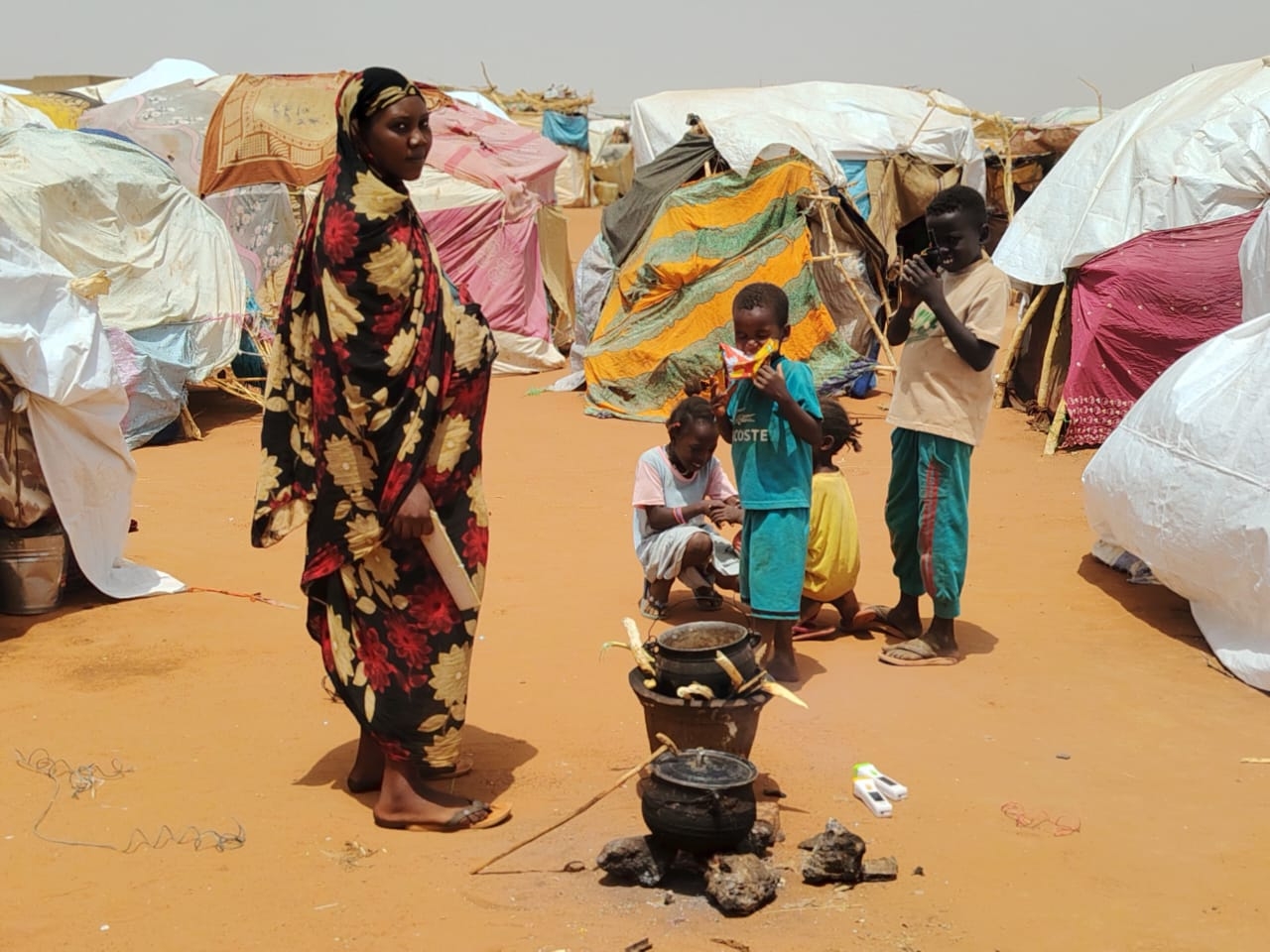
Where are people displaced from?
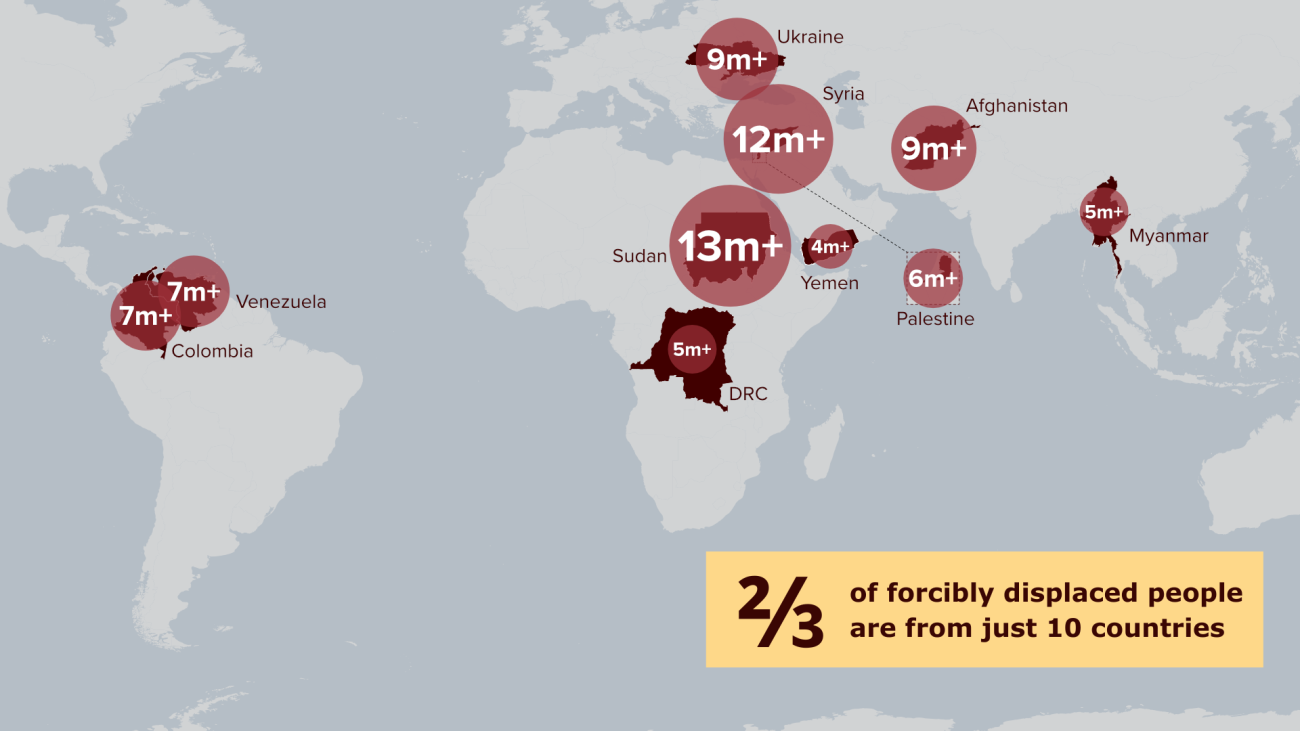
Roughly two-thirds of forcibly displaced people are from only ten countries. Sudan has the highest number, at more than 13 million people.
Help families find safety fast
Seeking safety isn’t a privilege. It’s a fundamental human right.
Any person who faces conflict, persecution or human rights abuses in their home country has the right to seek protection elsewhere. World Refugee Day on June 20 is a time to honour the strengths, rights and needs of people who have been forced to flee.
Whether they cross a border or not, people who are forced to flee are entitled to safe and dignified treatment. The Humanitarian Coalition’s members are working hard to provide the essentials that families need to reclaim their safety and dignity: shelter and clothing, food and water, medical care and psychosocial support, hygiene supplies and more.
Please give today to help the Humanitarian Coalition reach more people with the essentials they need to survive and begin rebuilding their lives.
We are the Humanitarian Coalition
We bring 12 Canadian international aid agencies together in times of disaster. With a combined presence in 160 countries, we are uniquely placed to respond quickly to large-scale disasters and smaller, under-reported disasters.