Impact Stories

The Humanitarian Coalition members are taking care of basic survival needs and helping people rebuild their lives when their homes, schools and livelihoods have been devastated by a disaster. Learn more about these crises and meet people who have benefited from your support.
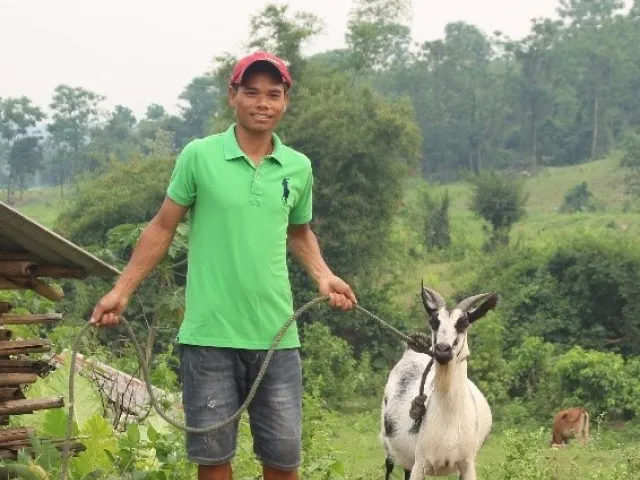
“Everything is gone! You have to come to Beirut immediately. A disaster has happened!"

That's the message Christine Codsi received about the impact of the devastating port explosion on her business.
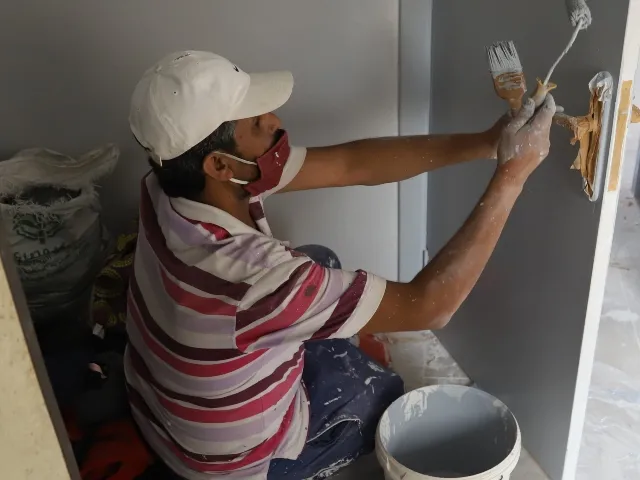
Like many in Lebanon, Darwich is a manual worker, looking for jobs every day. This means his income is unpredictable – if there’s no work, there’s no money.

“If I don’t gain money, my family won’t have anything to eat nor even drink,” he says of how he supports a family of eight.

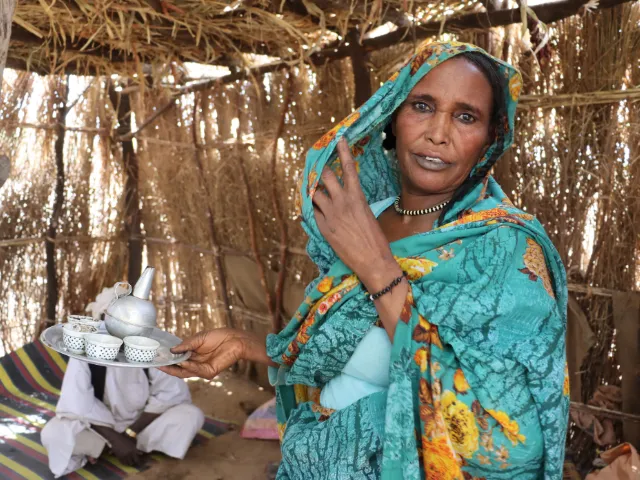
“My children, especially the younger ones, were crying more often and wouldn’t leave me alone,” says Amal. The doctors told her husband -- a port worker -- to rest and stay off work for at least six weeks.
Water, too much of it, uninvited and out of control, flooded her house. Madina, her husband and her children spent the next ten days sleeping under a plastic sheet.
The words of our colleagues are being echoed across the country as hundreds of thousands of Indo-Canadians bear the burden of waiting for news from friends and family in India.
Loubna and her family first arrived in Lebanon as refugees, and together they rented a small apartment in Bekaa. Loubna got a job as a caretaker in a clothing store, which allowed her to provide for her two daughters on her own, since her husband is no longer in the picture.
The only thing worse than having to flee your own home because of flooding, is having to do it two nights in a row.
Dina and her family live in Syria. Ten years into the relentless conflict in that country, more than 11 million people are in need of humanitarian assistance.
At 26 years old, she was a proud business owner of a beauty salon. But after the explosion, her shop was destroyed – the windows shattered, the walls crumbled and her equipment was broken.
Hanaa, 39 years old, was living in Karantina with her husband and three young children when the explosion upended their lives. Since then, the family has been trying to rebuild.
Samira, a 74-year-old widow from a city on the outskirts of Beirut works in a laundry at a nearby hospital where she is paid about $57 per month. “I finish my work, prepare my food and then sleep. That’s it for my day,” she says.
The devastating Cyclone that swept across southern Africa in March 2019 just made things worse. The flooding brought on by strong winds and heavy rainfall further contaminated the wells and destroyed household latrines.