The Humanitarian Coalition members are taking care of basic survival needs and helping people rebuild their lives when their homes, schools and livelihoods have been devastated by a disaster. Learn more about these crises and meet people who have benefited from your support.
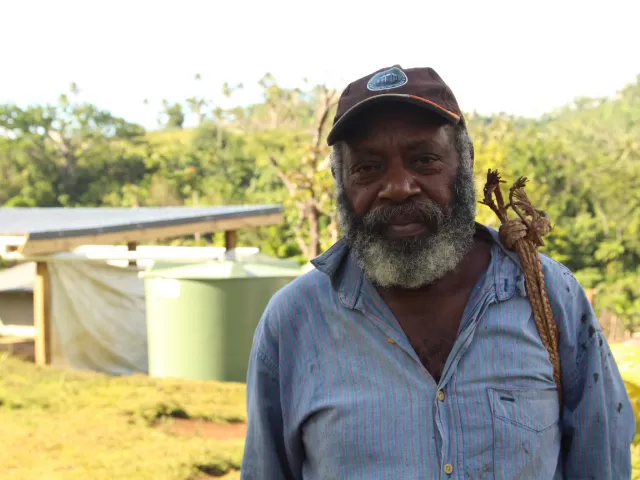
In April 2020, a category 5 tropical cyclone devastated the Penama province of Vanuatu. Power lines went down, trees were uprooted, roofs were ripped off, homes and gardens were destroyed, and roads were washed out.
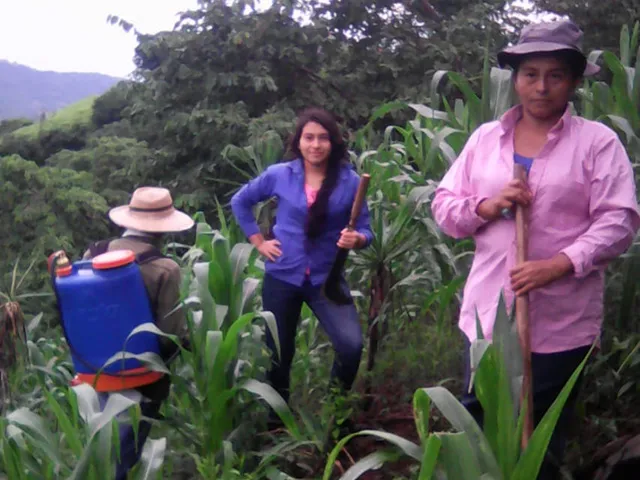
On May 31, 2020, Reina Isabel and her family were startled awake in the middle of the night by Tropical Storm Amanda.
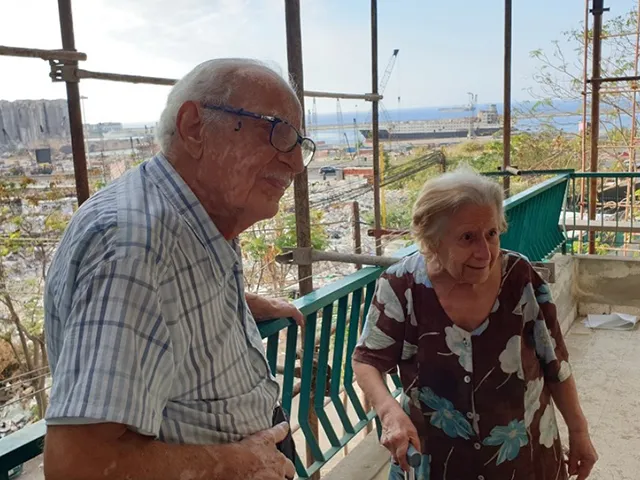
My name is Hagop. I am 90 years old. I am Lebanese and Armenian and I used to be a professional director. I live with my 80-year-old sister Anaheed, who used to design clothes, in this apartment near the port that we have been renting for the past years.

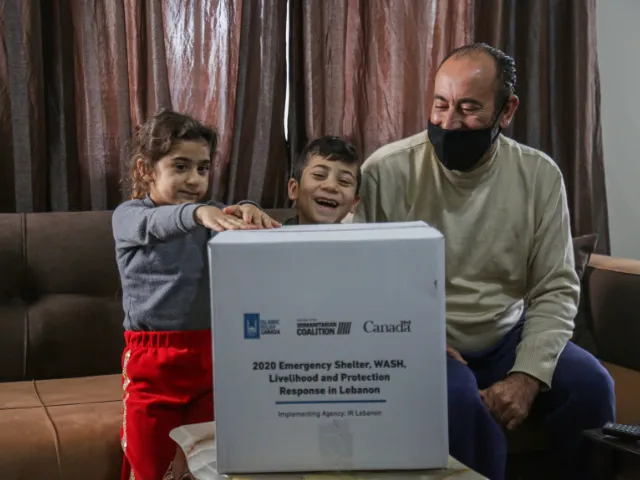
In 2020, thanks to the support of the Government of Canada and generous Canadians, the Humanitarian Coalition responded to 14 humanitarian emergencies around the world.
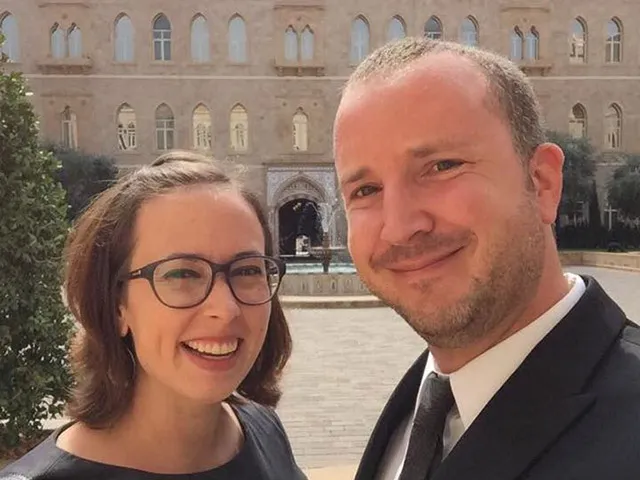
Garry and Kate Mayhew were cleaning up after dinner in their Beirut, Lebanon apartment when they felt the ground shake beneath them. Then they heard a boom so loud and so powerful it threw them to the floor.

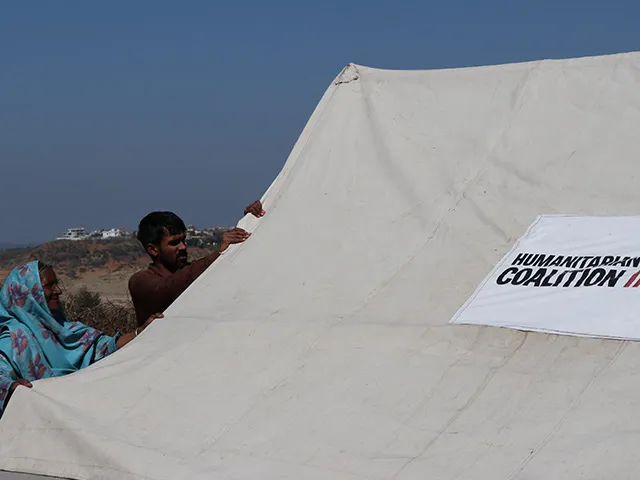
Beor Jan was out fetching firewood when the earthquake struck. She rushed back to her home and found her nephew and her neighbours in tears. Everyone was in shock, crying and praying.
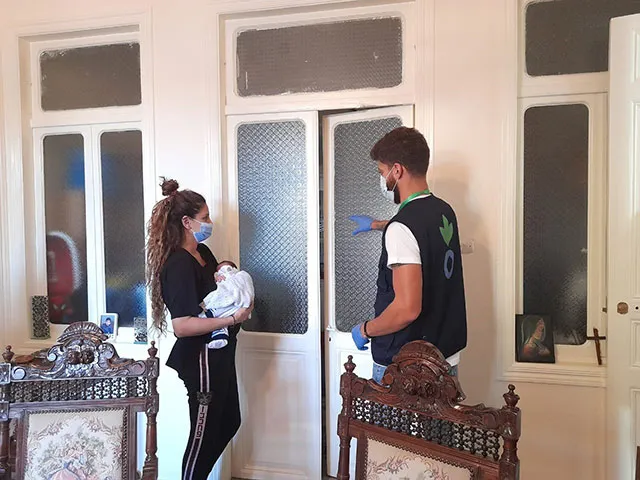
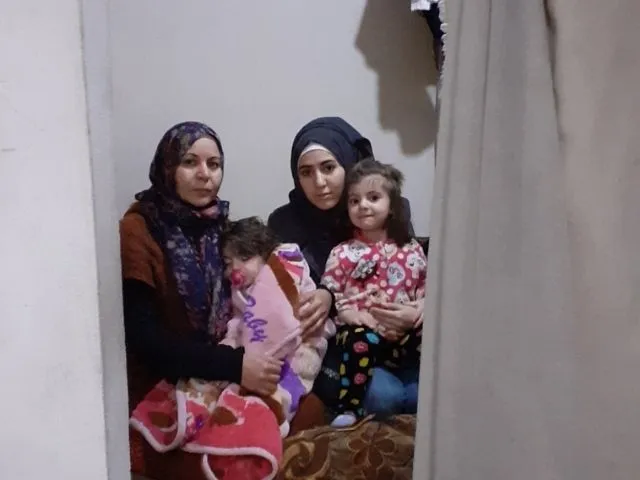
Serine Ouadis Toulough is a 35-year-old homemaker with two children. She and her husband live in Beirut, less than one kilometre from the epicenter of the August 4th explosion. Their neighbourhood was considered to be one of the zones of Beirut with the most damage and destruction.

On August 4th, C finished her shift at the hotel and walked home. She lived in a small studio apartment in the Karentina-Mdawar area in Beirut, Lebanon. She had barely walked through the front door when it happened. Her apartment was less than one kilometer away from centre of the blast that blew across the city.
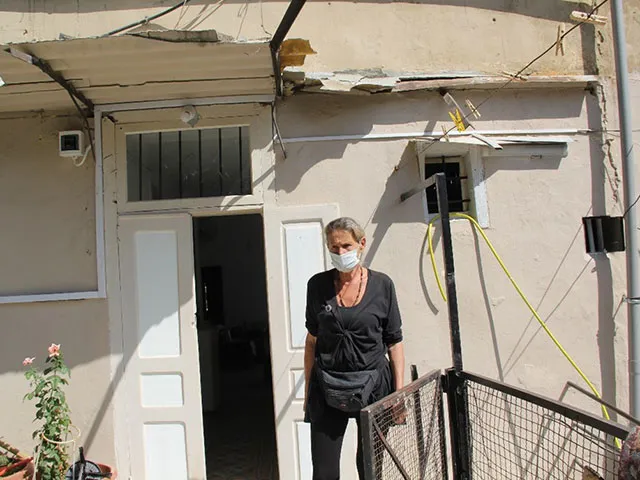
Hayat is a 65-year-old woman living in Ashrafieh, a community in the eastern part of Beirut. She lived through the long years of civil war in Lebanon with her daughter Nancy, and her son Shadi. At 2 years old, Shadi lost his hearing and his ability to speak when a bomb exploded too close to his home.